
Dental Fillings
Effective Dental Fillings to Repair Cavities & Restore Your Smile
Protect your teeth from decay and damage with safe, tooth-colored composite and durable amalgam fillings, custom-matched for a natural look.
Starting at Rs. 600
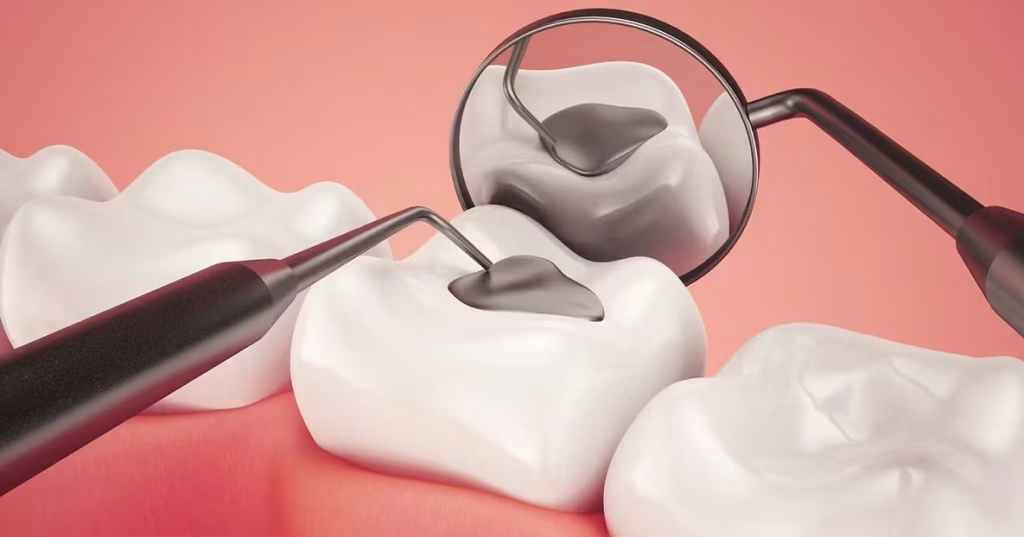
What Are Dental Fillings Used For?
Dental fillings are used to treat cavities and minor tooth damage caused by decay, trauma, or habits like nail-biting and teeth grinding. They fill the damaged area, seal it to prevent bacteria from entering, and restore the tooth’s original function.
Common reasons for getting a tooth filling include:
– Cavities or dental decay.
– Chipped or cracked teeth.
– Worn-down teeth from grinding (bruxism).
– Sensitivity to hot or cold.
– Food getting stuck between teeth.
Types of Dental Fillings
Different filling materials are available to meet your dental needs, including durability, aesthetics, and the location of the tooth. Your dentist will recommend the most suitable option based on your specific condition, personal preferences, and oral health goals.
Composite Fillings
Composite fillings, also known as resin fillings or tooth-colored fillings, are made of a blend of plastic and fine glass particles. They are ideal for front teeth or any visible areas of the mouth because they closely match the natural color of your teeth. These fillings bond directly to the tooth structure, helping to preserve as much of the natural tooth as possible. While not as durable as metal fillings, composite fillings offer a pleasing aesthetic and are a popular choice for patients seeking a natural look.
Amalgam Fillings
Amalgam fillings are made from a mixture of metals including silver, mercury, tin, zinc, and copper. These are one of the most durable filling materials and are typically used in the back molars where the force from chewing is greatest. While amalgam is cost-effective and long-lasting, it is silver in color and therefore less aesthetically appealing. Some patients may also have concerns about the mercury content, although it is generally considered safe.
Ceramic Fillings
Ceramic fillings, usually made from porcelain, offer excellent durability and aesthetics. These tooth-colored restorations are stain-resistant and mimic the natural appearance of teeth, making them ideal for visible areas. Ceramic fillings are custom-made in a dental lab, which may require more than one visit to the dentist. They are a premium option for patients who want long-lasting and natural-looking results.
Glass Ionomer Fillings
Glass ionomer fillings are made from a combination of acrylic and glass materials. They are typically used for children’s teeth, for fillings near the gum line, or as temporary restorations. These fillings release fluoride over time, which helps prevent further decay and protects the tooth. However, they are not as strong or long-lasting as other types of fillings, and may wear down more quickly under the pressure of chewing.
Stage-5: Fitting and Cementing the Permanent Crown
At your second appointment, the custom-made crown will be ready. Your dentist will remove the temporary crown and check the fit, shape, and color of the permanent one. Once everything looks and feels right, the crown is cemented securely onto your tooth using strong dental adhesive. Your dentist will make final adjustments to ensure a comfortable bite.
Types of Dental Fillings and Their Pros and Cons
Different filling materials are available to meet your dental needs, including durability, aesthetics, and the location of the tooth. Your dentist will recommend the most suitable option based on your specific condition, personal preferences, and oral health goals.
| Filling Type | Material | Best For | Pros | Cons |
|---|---|---|---|---|
| Glass Ionomer Fillings | Acrylic + Glass | Children’s teeth or near gums | Releases fluoride, prevents further decay | Less durable, wears faster |
| Ceramic Fillings | Porcelain | Visible teeth | Strong, stain-resistant, natural look | Higher cost, may require multiple visits |
| Amalgam Fillings | Silver, mercury, tin, zinc, copper | Back molars | Durable, cost-effective | Not aesthetic, contains mercury |
| Composite Fillings | Resin-based (tooth-colored) | Front or visible teeth | Aesthetic, natural look, bonds well | Slightly less durable than amalgam |
Benefits of Dental Fillings vs. Risks of Avoidance
Benefits of Dental Fillings
- Treat and stop tooth decay.
- Strengthen weakened or damaged teeth.
- Prevent further bacterial infection.
- Restore natural tooth shape and bite.
- Enhance appearance with tooth-colored fillings.
- Support long-term oral health.
- Last for many years with proper care.
Risks of Not Getting a Dental Filling
- Worsening tooth decay.
- Infection reaching the pulp (leading to a root canal).
- Tooth fracture or loss.
- Gum disease or abscess.
- Pain while chewing or drinking.
- Spread of bacteria to nearby teeth.
Do’s and Don’ts After Getting a Dental Filling
Do’s
- Maintain oral hygiene by brushing and flossing daily.
- Use a soft-bristled toothbrush and fluoride toothpaste.
- Eat soft foods initially if advised.
- Visit your dentist regularly for checkups.
- Use a mouthguard if you grind your teeth.
Don’ts
- Avoid hard, sticky, or chewy foods immediately after the procedure.
- Don’t chew on the side of the filled tooth until it sets completely.
- Avoid hot and cold foods if you’re experiencing sensitivity.
- Don’t skip follow-up visits if discomfort persists.