
Tooth Extraction
Safe & Painless Tooth Extractions by Experts
Whether it’s wisdom teeth or damaged teeth, we ensure stress-free, comfortable removal.
Starting at Rs. 300

What Is Tooth Extraction Used For?
Tooth extraction is typically recommended when a tooth is too damaged or decayed to be restored through other dental treatments like fillings or root canals. It is commonly used to remove severely infected teeth, impacted wisdom teeth that cause pain, swelling, or misalignment, and overcrowded teeth that need to be taken out to make space for orthodontic treatment. Extraction may also be necessary for loose teeth caused by advanced gum disease (periodontitis), broken or fractured teeth beyond repair, or teeth that have been severely affected by trauma or injury.
Types of Tooth Extraction
Tooth extraction is a dental procedure where a tooth is removed from its socket in the jawbone. There are two main types of tooth extractions — simple extraction and surgical extraction. The type of extraction you need depends on the condition of the tooth and its position in the mouth.

Simple Tooth Extraction
A simple extraction is used when the tooth is fully visible above the gum line and is not broken or impacted. This is the most common type of extraction and is often performed for damaged, decayed, or loose teeth.
The dentist begins by numbing the area with a local anesthetic to ensure you don’t feel pain during the procedure.
Special dental tools called elevators and forceps are used to gently loosen and remove the tooth.
Since the procedure is straightforward, it’s usually quick and painless, with minimal recovery time.
Best for:
Teeth that are easy to access, such as loose baby teeth, teeth with extensive decay, or teeth removed for orthodontic reasons.
Surgical Tooth Extraction
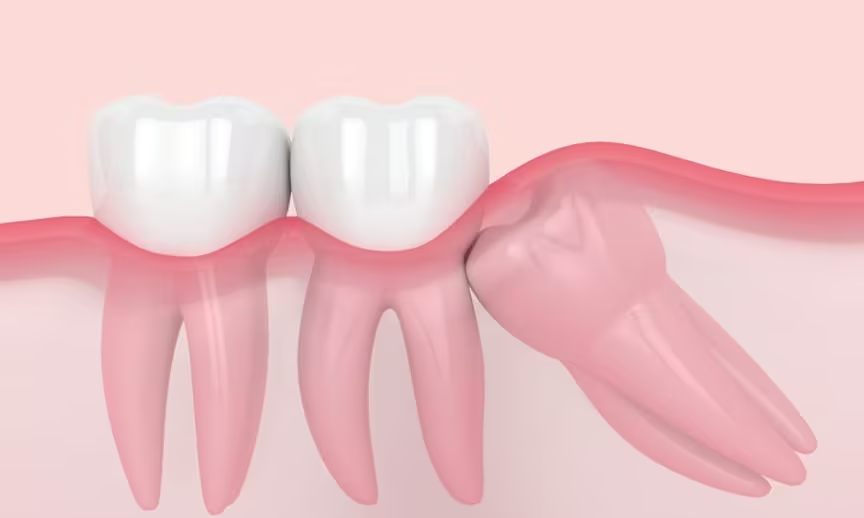
A surgical extraction is needed when the tooth is not easily accessible — for example, if it has not fully erupted, is impacted, or has broken off at the gum line.
This type of extraction is more complex and is often performed by an oral surgeon or an experienced dentist.
The procedure involves making a small incision in the gum tissue to access the tooth. In some cases, bone around the tooth may need to be removed, or the tooth may be cut into smaller pieces for easier removal.
Surgical extractions are usually done with local anesthesia, but IV sedation or general anesthesia may also be used, especially for multiple or complex extractions.
Best for:
Impacted wisdom teeth, severely decayed or broken teeth, infected teeth, or teeth with curved roots.
Alternatives Considered Before Tooth Extractions
Before recommending a tooth extraction, dental professionals always explore every possible way to save your natural teeth. Extracting a tooth is usually a last resort, especially when there are other effective restorative and preventive dental treatments available. Here are some of the most common and reliable alternatives to tooth extraction, depending on your dental condition and oral health needs.
Dental Fillings and Restorative Treatments
When a tooth is affected by mild to moderate tooth decay, damage, or small fractures, dental fillings and other restorative procedures are often the first choice. These treatments can restore the tooth’s shape, strength, and function without removing it.
Tooth-colored fillings, inlays, onlays, or dental crowns are used to rebuild the tooth structure.
These options are especially effective when the decay hasn’t reached the tooth pulp or caused severe structural loss.
Using restorative dentistry techniques can help maintain the tooth’s natural alignment and prevent shifting of nearby teeth, which is a common concern after extraction.
Root Canal Therapy (Endodontic Treatment)
If the inner pulp of the tooth is infected or inflamed due to decay, trauma, or deep cracks, a root canal treatment may be the best way to save the tooth.
This procedure involves removing the infected pulp, thoroughly cleaning the root canals, and then sealing them to prevent reinfection.
Afterward, the tooth is usually protected with a dental crown for added strength and function.
A root canal can eliminate pain and infection while preserving your natural tooth, making it a valuable alternative to tooth removal.
Periodontal Treatments for Gum Disease
When gum disease (periodontitis) is the reason for tooth mobility or discomfort, it’s possible to treat the underlying gum infection and stabilize the tooth without extraction.
Treatment options include scaling and root planing (deep cleaning), antibiotic therapy, and periodontal surgery to regenerate bone and tissue.
In many cases, treating the gum disease can halt or reverse tooth instability, especially in its earlier stages.
Managing periodontal disease effectively not only saves teeth but also protects overall health, as gum infections are linked to conditions like heart disease and diabetes.
Orthodontic Solutions for Misalignment and Crowding
For patients with overcrowded teeth or malocclusion, removing teeth used to be a common solution. However, modern orthodontic treatments often provide alternatives to extractions.
Braces or clear aligners (such as Invisalign) can gradually realign teeth, creating the necessary space without needing to extract any.
In cases of minor to moderate crowding, interproximal reduction (gentle enamel shaving) may also help adjust tooth spacing.
Orthodontic correction improves bite alignment, jaw function, and smile aesthetics without resorting to dental extractions.
Myths and Facts About Dental Crowns
Preserving your natural teeth whenever possible is the best option for long-term oral health. Keeping your natural teeth helps maintain:
• Jawbone density
• Natural chewing efficiency
• Proper speech patterns
• Facial structure and aesthetics
Modern dental care emphasizes minimally invasive treatments and personalized solutions. By exploring every possible option before a tooth extraction procedure, we can often save damaged teeth and avoid more complex or costly dental issues in the future.
However, if the tooth is severely decayed, broken beyond repair, or causing ongoing infection, a tooth extraction may be the best and safest solution. In such cases, our expert dental team ensures a comfortable, safe, and efficient procedure, followed by appropriate restorative options such as dental implants, bridges, or partial dentures to replace the missing tooth.
Do’s and Don’ts After Getting Tooth Extraction
Do’s
- Rest for the first 24–48 hours.
- Keep the head elevated while lying down.
- Apply ice packs to reduce swelling.
- Bite gently on gauze to stop bleeding.
- Rinse with warm salt water after 24 hours.
- Follow all post-op instructions from your dentist.
- Take prescribed medications on time.
Don’ts
- Do not smoke or use a straw for at least 72 hours.
- Avoid rinsing, spitting, or brushing the area on the first day.
- Don’t eat hard, crunchy, or spicy foods.
- Avoid alcohol or hot beverages during recovery.
- Don’t skip medications or post-op visits.
- Avoid strenuous physical activities for a few days.