
Dental Veneers
Dental Veneers for a Perfect, Confident Smile
Fix chipped, uneven or discoloured teeth with ultra-thin, natural-looking ceramic veneers.
Starting at Rs. 6600
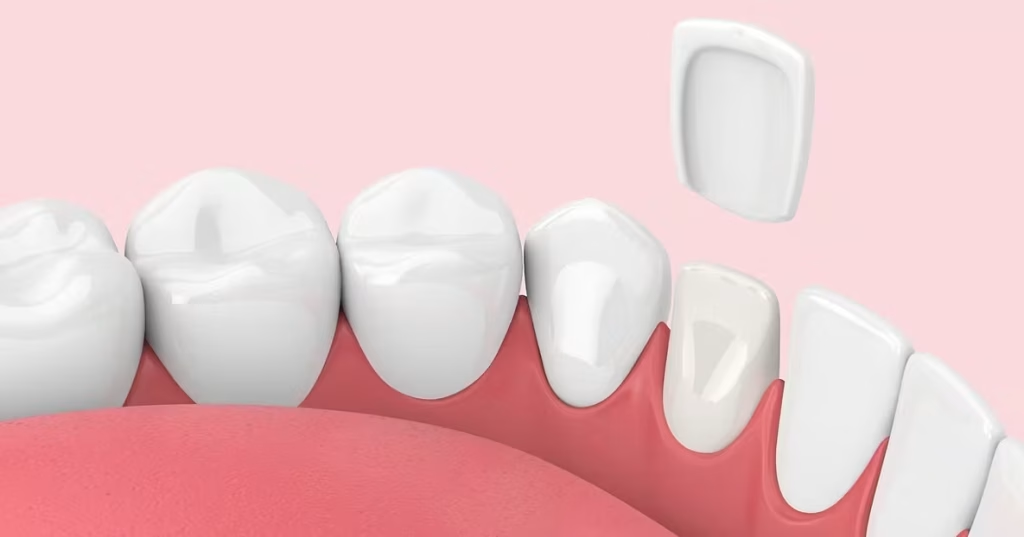
What is Dental Veneer Treatment Used For?
Dental veneers are used to enhance the appearance of your teeth by addressing a range of cosmetic issues. They are an excellent option for covering discoloured or stained teeth that don’t respond well to whitening treatments. Veneers can also conceal small chips or cracks, close gaps between teeth (known as diastema), and make teeth that are naturally small or short appear more even. In addition, they improve the appearance of mildly misaligned or uneven teeth and help restore the shape of teeth that have been worn down or damaged due to habits like grinding (bruxism).
Types of Dental Veneers
Explore the differences, benefits, and ideal use cases of each dental veneer option to help you choose the right smile solution.
Composite Veneers
What They Are:
Composite veneers are made from tooth-coloured resin material and are applied directly to the surface of the teeth. These veneers are shaped, hardened, and polished by the dentist during a single appointment.
Best For:
Minor cosmetic issues like chipped, cracked, or discoloured teeth.
Patients seeking a quicker, more affordable smile makeover.
Those looking for a reversible or non-permanent option.
Pros:
Cost-effective compared to porcelain veneers.
Can be applied in a single dental visit.
Easy to repair if chipped or damaged.
Less tooth enamel removal required.
Cons:
Less durable than porcelain veneers (lasts 4–8 years on average).
More prone to staining over time.
May not provide the same natural translucency as porcelain.
Porcelain Veneers
What They Are:
Porcelain veneers are thin, custom-made shells of high-quality ceramic that are bonded to the front of the teeth. They are designed in a dental laboratory and are known for their lifelike appearance and durability.
Best For:
Severe tooth discolouration, gaps, or alignment issues.
Patients wanting a long-term, stain-resistant solution.
Those seeking a natural-looking and highly aesthetic smile transformation.
Pros:
Extremely natural appearance with enamel-like translucency.
Highly stain-resistant and long-lasting (10–15 years or more).
Strong and durable material.
Custom-made to match your smile perfectly.
Cons:
More expensive than composite veneers.
Requires multiple dental visits.
A small amount of enamel must be removed (irreversible).
May not be suitable for patients with weak or damaged enamel.
No-Prep Veneers
What They Are:
No-prep veneers, such as Lumineers, are ultra-thin shells that require little to no enamel removal. They are less invasive and can be a good option for certain cases where minimal changes are needed.
Best For:
Patients with healthy, well-aligned teeth who want a slight cosmetic improvement.
Those seeking a reversible or conservative cosmetic treatment.
Pros:
Minimal or no enamel removal.
Often reversible.
Faster treatment process than traditional porcelain veneers.
Comfortable and less invasive.
Cons:
Not suitable for all cases (especially for severely stained or misaligned teeth).
May appear slightly bulkier than traditional veneers.
Less durable than traditional porcelain veneers.
Removable Veneers
What They Are:
Removable veneers, also called snap-on veneers or clip-on veneers, are custom-fitted dental appliances that fit over your existing teeth. They can be worn temporarily for special occasions or as a short-term cosmetic solution.
Best For:
Quick cosmetic enhancement without permanent changes.
Temporary smile makeover before a big event.
Patients not yet ready for permanent veneers.
Pros:
Non-invasive and completely reversible.
No enamel removal required.
Affordable and instantly improves appearance.
Easy to remove and clean.
Cons:
Not a long-term solution.
May affect speech or eating.
Less natural-looking than permanent veneers.
Not as durable or secure as bonded veneers.
Do’s and Don’ts After Dental Cleaning
Do’s
- Maintain good oral hygiene: brush twice daily and floss.
- Use a non-abrasive fluoride toothpaste.
- Visit your dentist for regular check-ups and cleanings.
- Wear a mouthguard if you grind your teeth.
- Eat a balanced diet and drink plenty of water.
Don’ts
- Don’t bite directly into hard foods like apples or carrots.
- Avoid using teeth to open packages or bite nails.
- Stay away from abrasive toothpaste or hard toothbrushes.
- Don’t skip routine dental care.
- Limit dark-coloured foods and drinks that can cause staining.