
Gum Treatment
Advanced Gum Treatments for Bleeding or Swollen Gums
Treat gum infections, sensitivity & bad breath with expert care — deep cleaning, curettage & laser options available.
Starting at Rs. 900
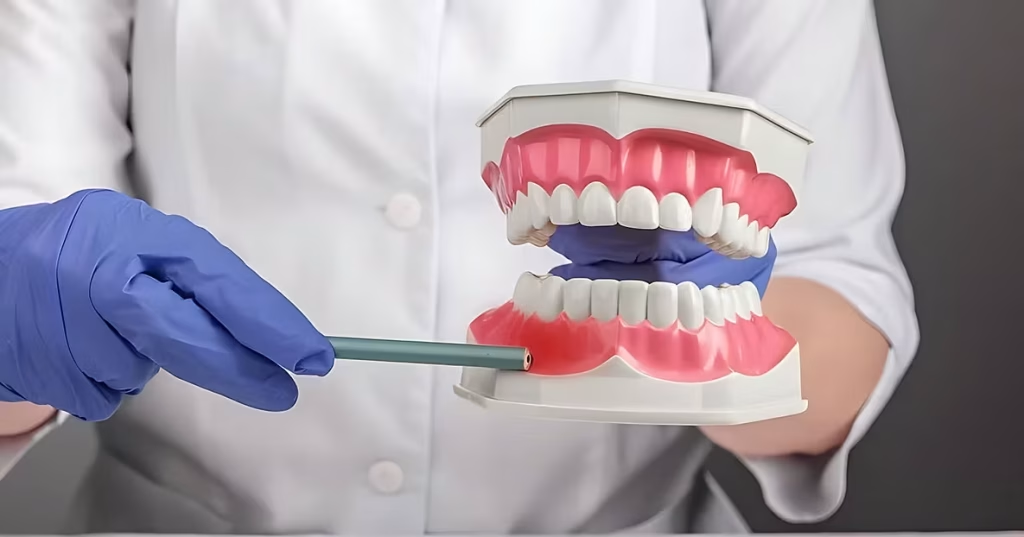
What is Gum Treatment Used For?
Gum treatment is used to manage and treat gum infections and related oral health issues. It helps to stop the spread of bacteria, reduce inflammation, and restore gum tissue and bone that may have been damaged. Gum treatments are essential in preventing tooth loss, improving oral hygiene, and maintaining a healthy smile. Early treatment is key to reversing conditions like gingivitis, while advanced cases such as periodontitis require more intensive care.
Understanding Gum Diseases and Their Symptoms
Learn how to spot early warning signs and protect your oral health before it’s too late.
Gingivitis
Gingivitis is the earliest and mildest form of gum disease. It causes inflammation in the gums due to plaque buildup but is reversible with proper oral hygiene and professional treatment.
Symptoms:
• Red, swollen gums.
• Bleeding while brushing or flossing.
• Persistent bad breath.
Causes:
• Poor oral hygiene.
• Hormonal changes.
• Certain medications.
• Vitamin deficiencies.
Periodontitis
Periodontitis is an advanced stage of gum disease that affects the supporting structures of the teeth. It can lead to bone loss and, if left untreated, tooth loss.
Symptoms:
• Gum recession.
• Loose or shifting teeth.
• Painful chewing.
• Pus between teeth and gums.
Causes:
• Untreated gingivitis.
• Tobacco use.
• Poor oral hygiene.
• Chronic illnesses like diabetes.
Receding Gums
Receding gums occur when the gum tissue pulls back from the tooth, exposing the root. It can be caused by prolonged gum disease and leads to increased tooth sensitivity.
Symptoms:
• Longer-looking teeth.
• Tooth sensitivity.
• Exposed roots.
Causes:
• Periodontitis
• Aggressive brushing.
• Poor dental hygiene.
• Tobacco use.
Loose Teeth
Loose teeth are often a sign of advanced periodontal disease, where the bone and gum support for teeth have deteriorated.
Symptoms:
• Teeth that move when touched.
• Difficulty chewing.
• Spaces developing between teeth.
Causes:
• Bone loss from periodontitis.
• Gum infections.
• Trauma or injury.
Chronic Bad Breath (Halitosis)
Persistent bad breath is often linked to the buildup of bacteria in the mouth due to gum disease.
Symptoms:
• Constant bad breath.
• Unpleasant taste in the mouth.
Causes:
• Bacteria buildup.
• Plaque and tartar accumulation.
• Poor oral hygiene.
Types of Gum Treatment
Procedures and What to Expect
Dental Prophylaxis (Routine Cleaning)
Routine dental cleaning helps prevent and manage early gum disease by removing plaque and tartar above the gumline.
Dental prophylaxis is a professional dental cleaning usually done every six months as part of preventive oral care. It involves using specialized tools to remove plaque, tartar, and bacteria from the surface of the teeth, especially near the gumline. This treatment helps prevent gingivitis (early gum disease) and keeps your gums healthy and inflammation-free. It’s painless, quick, and especially important for people with early signs of bleeding gums or bad breath. Regular dental cleanings are essential for long-term oral hygiene and gum disease prevention.
Procedure:
• A dental hygienist or dentist removes plaque and tartar from the surface of your teeth and gumline using special instruments.
• Teeth are polished using a high-speed brush and a gritty toothpaste to remove stains and smooth the surface.
• The session often ends with flossing and sometimes a fluoride treatment to protect enamel.
Best for:
Early-stage gum disease and maintaining gum health.
Scaling and Root Planing (Deep Cleaning)
This deep cleaning treatment removes harmful bacteria and tartar below the gumline to stop moderate gum disease from progressing.
Scaling and root planing is a non-surgical gum disease treatment recommended when plaque and tartar build up below the gumline, leading to swollen, bleeding gums. During the procedure, the dentist cleans deeply around the teeth roots (scaling) and smooths out the root surfaces (planing) to help the gums heal and reattach. Local anesthesia is often used for comfort. This deep cleaning helps reduce gum pockets, control infection, and prevent the need for gum surgery. It’s one of the most effective early interventions for periodontitis.
Procedure:
• Local anesthesia is used to numb the gums.
• Scaling removes built-up tartar from deep below the gumline.
• Root planing smooths the root surfaces to prevent bacteria from reattaching.
• This may take one or more visits depending on how severe the infection is.
Best for:
People with bleeding gums, deep gum pockets, and moderate periodontal disease.
Antibiotic Therapy
Antibiotic therapy is used to kill bacteria in gum pockets and support healing alongside other gum disease treatments.
Antibiotics for gum disease are prescribed when bacterial infection is present in the gum pockets. The dentist may apply the antibiotics directly to the affected area using gels or tiny capsules, or prescribe oral medication. This is usually done after scaling and root planing to boost results. Antibiotic therapy helps reduce swelling, bleeding, and infection, especially in moderate to severe cases. It’s often used as a supportive treatment to improve healing and prevent the bacteria from spreading further.
Procedure:
• Antibiotics can be applied directly into gum pockets (gel, chip, or powder) or prescribed as oral medication.
• These medications reduce infection and inflammation in the gums.
• The dentist may recommend using a special mouth rinse as part of your daily routine.
Best for:
Localized infections or persistent inflammation in the gums.
Laser Gum Therapy
Laser gum therapy is a modern treatment that uses laser energy to remove diseased tissue and kill bacteria in the gums.
Laser gum therapy, also known as laser periodontal therapy, is a minimally invasive procedure used to treat gum disease. Instead of using scalpels, a specialized dental laser is used to gently remove infected gum tissue and sterilize the area around the teeth. This helps reduce inflammation, eliminates bacteria, and promotes natural healing. The laser targets only the damaged tissue, preserving healthy gum and reducing discomfort. Because there are no stitches or incisions, patients experience faster recovery and minimal bleeding. Laser treatment is ideal for mild to moderate periodontitis and is a safe, effective alternative to traditional surgery.
Procedure:
• A soft-tissue dental laser is used to remove infected gum tissue and destroy bacteria.
• No cutting or stitching is needed, making it less painful and easier to recover from.
• Healing is typically faster than traditional surgery.
Best for:
Patients looking for a less painful, non-invasive gum treatment.
Pocket Reduction Surgery (Flap Surgery)
Pocket reduction surgery helps treat advanced gum disease by cleaning deep gum pockets that cannot be reached with regular cleaning.
Pocket reduction surgery, often called flap surgery, is used when deep pockets have formed around the teeth due to advanced gum disease. During this procedure, the dentist gently folds back the gum tissue to access the roots of the teeth. The roots are then cleaned thoroughly to remove tartar, and the bone may be smoothed to eliminate hiding places for bacteria. Once cleaned, the gums are repositioned and stitched back into place. This treatment reduces the depth of gum pockets, making it easier to maintain oral hygiene and preventing further bone and tissue damage. It is a key step in saving teeth at risk from periodontitis.
Procedure:
• The dentist numbs the area and makes small cuts to lift the gums away from the teeth.
• Deep tartar and plaque are cleaned from below the gumline.
• Damaged bone may be smoothed, and the gums are stitched back into place to heal.
Best for:
People with deep periodontal pockets and significant bone loss.
Bone Grafting
Bone grafting is a surgical procedure used to rebuild jawbone that has been lost due to gum disease.
When gum disease becomes severe, it can destroy the bone that supports your teeth. Bone grafting is a treatment that helps regenerate lost bone. The dentist places grafting material — which may be synthetic or come from your own body — into the area where bone loss has occurred. This encourages new bone growth, providing a stronger foundation for your teeth. Bone grafts are often used along with other gum treatments such as pocket reduction surgery. Over time, the graft integrates with your natural bone, supporting long-term dental health and improving your chances of keeping your natural teeth.
Procedure:
• The dentist cleans the infected area and places bone graft material (natural or synthetic) where bone is missing.
• Over time, your body uses this graft as a framework to grow new bone.
Best for:
Severe periodontitis cases with bone loss around the teeth.
Gum Grafting
Gum grafting restores lost gum tissue and protects tooth roots that have become exposed due to gum recession.
Gum grafting is a surgical treatment for receding gums, a common result of advanced gum disease. When gums pull away from the teeth, it exposes sensitive roots, leading to discomfort and increased risk of decay. In this procedure, a small amount of gum tissue is taken from another area (like the roof of your mouth) or from a donor source and attached where your gums have receded. This not only improves the appearance of your smile but also reduces sensitivity and protects against further gum loss. Gum grafting helps restore healthy gum levels and supports long-term oral health.
Procedure:
• Healthy gum tissue is taken from another part of your mouth or a donor source.
• The tissue is attached to the receded area to protect roots and improve appearance.
• The area is then stitched and allowed to heal.
Best for:
People with receding gums or root sensitivity.
Guided Tissue Regeneration
Guided tissue regeneration helps your body regrow bone and tissue lost to gum disease by using a special barrier membrane.
Guided tissue regeneration is an advanced treatment for gum disease used when bone and gum tissues have been destroyed. In this procedure, a biocompatible membrane is placed between the gum tissue and the bone. This membrane acts as a barrier, allowing bone to grow back naturally in areas where it was lost, while keeping the gum tissue from growing into the space too quickly. Sometimes, a bone graft is also placed to enhance the regeneration process. This procedure helps strengthen the support around teeth and is often used in combination with flap surgery or bone grafting.
Procedure:
• A barrier membrane is placed between the gum and bone to block unwanted tissue from filling the space.
• This allows bone and tissue to regrow in the proper area.
• It is often combined with bone grafting for better results.
Best for:
Patients needing regrowth of bone and gums after periodontitis.
Periodontal Maintenance
Periodontal maintenance is an ongoing care routine of deep cleanings done every 3–4 months to keep gum disease from returning.
After you’ve received gum disease treatment, periodontal maintenance is essential to keep your gums healthy long-term. This involves visiting the dentist every 3 to 4 months for professional deep cleanings. These cleanings go beyond regular dental checkups and target areas below the gumline where bacteria can reaccumulate. The goal is to prevent relapse, monitor the healing process, and maintain the results of previous treatments like scaling or surgery. Periodontal maintenance helps control bacterial growth, supports gum tissue health, and lowers the risk of further damage or tooth loss. It’s a key part of gum disease management.
Procedure:
• Deep cleanings are scheduled every 3-4 months.
• The dentist monitors your gums and removes any new plaque or tartar buildup.
• Personalized oral care tips are given to help maintain healthy gums at home.
Best for:
Patients who’ve had gum disease or surgery and need regular follow-up care.
Benefits of Gum Treatment vs. Risks of Avoidance
Benefits of Regular Gum Treatment
- Prevents tooth loss.
- Stops gum bleeding and inflammation.
- Eliminates bad breath caused by bacteria.
- Restores gum attachment and bone support.
- Improves appearance of the smile.
- Enhances overall oral and systemic health.
- Reduces risk of conditions like heart disease and diabetes.
Risks of Not Getting Gum Treatment
- Progression to advanced periodontitis.
- Irreversible gum and bone loss.
- Pain, infection, and gum abscesses.
- Loose teeth or complete tooth loss.
- Increased risk of systemic conditions like heart disease and diabetes.
- Difficulty in chewing and speaking.
- Poor aesthetics due to receding gums.
Do’s and Don’ts After Gum Treatment
Do’s
- Brush your teeth twice a day with a soft-bristle toothbrush.
- Floss daily to remove plaque between teeth.
- Use an antibacterial mouthwash.
- Follow the prescribed medication schedule.
- Attend regular dental check-ups and cleanings.
- Eat a balanced diet to support healing.
Don’ts
- Don’t smoke or use tobacco products.
- Avoid hard, sticky, or crunchy foods right after surgery.
- Don’t skip oral hygiene practices.
- Avoid using a hard-bristle toothbrush or abrasive toothpaste.
- Don’t ignore symptoms like swelling, bleeding, or pain.