
Kids Dentistry
Gentle Dental Care for Kids by Child Specialists
From cavities to braces, caring, kid-friendly treatment in a calm environment.
Starting at Rs. 550
Why Is Baby Teeth Care Important?
Baby teeth care helps in:
• Preventing early childhood tooth decay (also known as baby bottle decay).
• Ensuring healthy development of permanent teeth.
• Supporting speech development and proper chewing.
• Establishing good oral hygiene habits from an early age.
• Reducing the risk of dental pain, infection, and early tooth loss.
Types of Baby Teeth Care
Understanding the different types of baby teeth care is essential for maintaining your child’s oral health from the start. Each stage of your child’s dental development requires specific attention to prevent common problems like tooth decay, misalignment, and early tooth loss. Here’s a detailed look at the most effective and recommended dental care for baby teeth.
Teething Management
When a baby’s first teeth begin to erupt, they may experience gum soreness, irritability, and drooling. To help manage teething pain, parents can use cold, wet cloths or safe teething rings to gently soothe the gums. You can also lightly massage your baby’s gums with a clean finger. These methods offer natural teething relief for infants and reduce discomfort without the need for medication. Managing teething symptoms is the first step in providing comprehensive baby dental care.
Brushing and Oral Hygiene
Starting good oral hygiene habits for babies as early as possible is critical for long-term dental health. Begin brushing baby teeth as soon as the first tooth appears, typically around 6 months of age. Use a soft-bristled toothbrush and a tiny smear of fluoride toothpaste — about the size of a grain of rice. As your child grows, increase the amount of toothpaste to a pea-sized amount and ensure brushing is done twice daily. Establishing proper toothbrushing for toddlers early helps prevent cavities and teaches good hygiene habits that will last a lifetime.
Fluoride Treatments
Fluoride treatments for children help strengthen tooth enamel and reduce the risk of early childhood cavities. Dentists may apply fluoride varnish on baby teeth during routine visits. This treatment provides an added layer of protection, especially for children who may not yet brush effectively or have a higher risk of decay. Fluoride is essential in baby tooth decay prevention and is a standard part of most pediatric dental checkups.
Dental Sealants
For children with deep grooves or pits in their molars, dental sealants provide a protective barrier that prevents food and bacteria from getting trapped. While sealants are more common on permanent molars, in some cases, dentists may recommend sealants for baby teeth if your child is prone to cavities. This non-invasive treatment is highly effective in preventing tooth decay in children, especially during the cavity-prone years.
Space Maintainers
If a baby tooth falls out early due to injury or decay, it can lead to spacing problems that affect how adult teeth grow in. To prevent misalignment, a dentist may recommend a space maintainer — a small appliance that holds the open space until the permanent tooth is ready to erupt. Space maintainers for kids are crucial in preserving proper tooth alignment and avoiding more complex orthodontic treatments later in life.
Regular Dental Check-ups
The foundation of baby dental care is regular dental checkups. Children should visit a dentist by their first birthday or within six months of their first tooth erupting. These early visits help monitor the development of baby teeth, identify potential issues like cavities or alignment problems, and ensure parents receive proper guidance on infant oral health care. Routine visits also help children feel more comfortable at the dentist, reducing dental anxiety as they grow older.
Benefits of Baby Teeth Care vs. Risks of Avoidance
Benefits of Baby Teeth Care
- Promotes strong and healthy baby teeth.
- Prevents early childhood cavities and gum infections.
- Supports normal speech and chewing.
- Helps guide permanent teeth into the right position.
- Reduces the need for more complex treatments later.
- Encourages good oral hygiene habits for life.
- Boosts self-esteem and confidence.
Risks of Not Getting Baby Teeth Care
- Early tooth decay and pain.
- Tooth infections or abscesses.
- Premature tooth loss leading to spacing issues.
- Misalignment of permanent teeth.
- Trouble eating or speaking properly.
- High treatment costs later in life.
- Fear or anxiety around dental visits due to untreated issues.
Do’s and Don’ts of Baby Teeth Care
Do’s
- Start brushing as soon as the first tooth appears.
- Use a rice-sized smear of fluoride toothpaste (pea-sized after age 3).
- Schedule your child’s first dental check-up by their first birthday.
- Use teething toys and cold cloths to ease teething discomfort.
- Monitor for signs of decay, white spots, or crooked teeth.
- Help your child brush until they’re around 7 years old.
- Limit sugary snacks and drinks.
Don’ts
- Don’t let your child sleep with a bottle of milk or juice.
- Don’t use adult toothpaste with high fluoride for babies.
- Don’t skip brushing, even if your child resists.
- Don’t share spoons or pacifiers (bacteria can spread).
- Don’t ignore dental check-ups or signs of pain or irritation.
How Many Baby Teeth Do Children Have?
Children usually have 20 baby teeth — 10 in the upper jaw and 10 in the lower jaw. These include:
– 8 incisors (for biting).
– 4 canines (for tearing).
– 8 molars (for chewing).
These primary teeth start appearing around 6 months of age and are fully developed by age 3.
Baby Teeth Eruption Timeline and Order
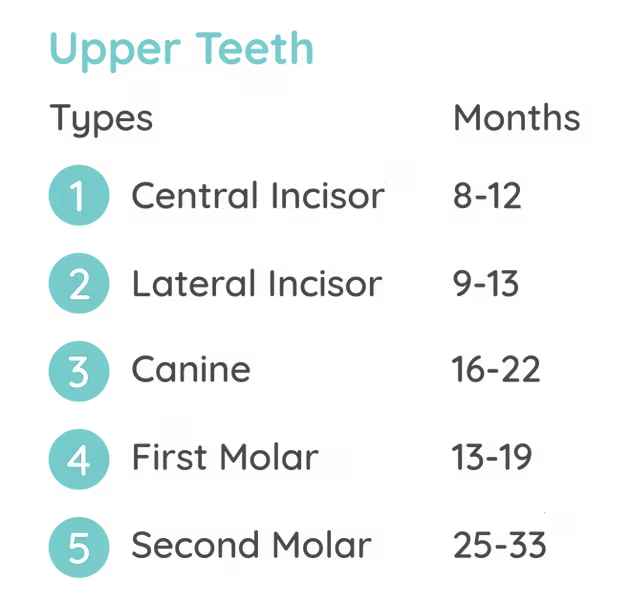
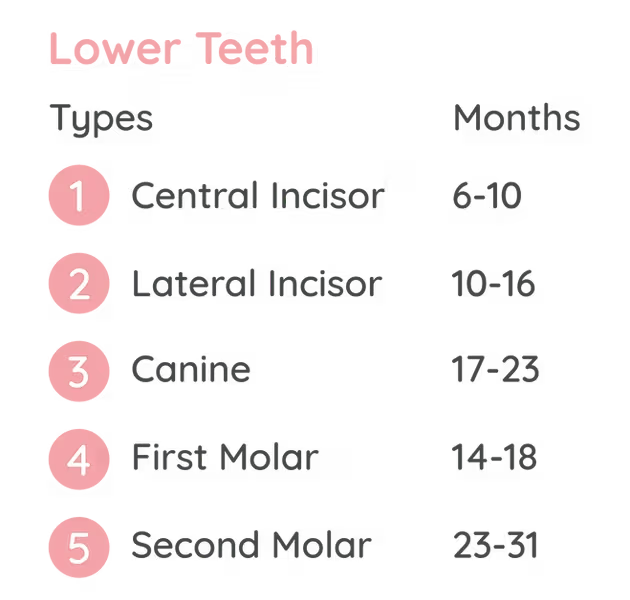
Baby teeth usually come in the following order:

Teething signs may include:
• Drooling.
• Chewing on objects.
• Redness around the mouth.
• Irritability or fussiness.
• Waking up at night.
The baby teeth eruption timeline typically follows a specific pattern, starting with the lower central incisors, which usually appear between 6 to 10 months of age. These are followed by the upper central incisors around 8 to 12 months. Next to come in are the lateral incisors, generally erupting between 9 to 16 months. After that, the first molars emerge between 13 to 19 months, helping babies chew solid foods.
Canine teeth, also called cuspids, usually erupt between 16 to 23 months. Finally, the second molars make their appearance between 23 to 31 months, completing the set of 20 primary (baby) teeth. Understanding the typical baby teeth eruption order helps parents track their child’s dental development and identify any delays or concerns early. Regular dental checkups and proper oral hygiene during this teething timeline are essential for healthy baby teeth and future permanent teeth.
Brushing and Caring for Baby Teeth
Best Practices for Cleaning Baby Teeth and Promoting Oral Health.
When to Start Brushing
Start cleaning gums before teeth appear using a soft cloth. Begin brushing as soon as the first tooth emerges.
How to Brush Baby Teeth:
- Brush twice daily (especially before bed).
- Use a smear of fluoride toothpaste for children under 3; pea-sized amount after.
- Use soft circular motions.
- Avoid rinsing with water after brushing.
- Help with brushing until your child is around 7 years old.
First Dental Visit
Schedule your child’s first dental visit by their first birthday or within 6 months of their first tooth erupting.
Early visits:
- Help children get comfortable at the dentist.
- Allow early detection of dental issues.
- May include fluoride varnish or sealants.
Routine dental checkups every 6 months keep teeth healthy and help prevent cavities.
When Do Baby Teeth Fall Out?
Most children start losing their baby teeth around age 6. Teeth fall out in the same order they appeared, with molars being the last to go around age 12. Baby teeth create space for adult teeth, so losing them too early can cause problems with alignment.
Common Baby Teeth Problems
Understanding the most common baby teeth problems is key to keeping your child’s smile healthy from the very beginning. While some concerns are normal parts of development, others may need attention from a dentist. Addressing these issues early helps prevent complications with permanent teeth, ensures proper oral development, and builds lifelong healthy habits.
Late Teething
Some babies begin teething later than others, and that’s usually nothing to worry about. If your baby hasn’t started teething by 12 to 14 months, it may just be a result of genetics or family history. Late teething doesn’t always indicate a dental problem, but if you’re concerned, it’s a good idea to mention it during your child’s routine pediatric dental visit. A dentist can check for any underlying issues and offer reassurance about your child’s baby tooth development timeline.
White Spots on Baby Teeth
White spots on baby teeth can be an early sign of tooth decay in babies, especially if they appear near the gumline. In some cases, they might also be caused by dental fluorosis, which happens due to excess fluoride during tooth development. These spots may not go away on their own, so it’s important to visit a pediatric dentist for proper evaluation. If caught early, tooth decay can often be reversed with fluoride varnish treatment and improved oral hygiene for children.
Teeth Grinding (Bruxism)
Teeth grinding in babies, also known as bruxism, is a common behavior during early childhood. It often occurs during sleep or while teething and usually stops on its own as your child grows. However, if your baby is grinding their teeth frequently, wakes up with jaw pain, or you notice signs of tooth wear, it’s time to consult a dentist. Continuous grinding can affect the enamel and lead to future dental problems in toddlers if left unchecked.
Gaps Between Baby Teeth
Many parents worry when they see gaps between baby teeth, but these are usually perfectly normal. In fact, small spaces help ensure there’s enough room for adult teeth to come in properly later on. However, a gap between the lower front teeth may sometimes be linked to tongue-tie (a condition where the tongue’s movement is restricted), which can affect speech and feeding. If you’re concerned, a quick dental or pediatric evaluation can help.
Crooked Baby Teeth
It’s not unusual for babies to have crooked or misaligned baby teeth. This can be due to genetics, or temporary crowding as teeth erupt. Often, the alignment improves as the jaw grows. But prolonged pacifier use, thumb-sucking, or bottle feeding beyond infancy can contribute to more serious alignment issues. If your child’s baby teeth look crooked, and these habits continue beyond age 2–3, it’s best to talk to a dentist about early orthodontic evaluation.
Early Tooth Loss
Losing baby teeth too early, especially before age 4, can create problems for future permanent teeth alignment. Common causes include tooth decay, injury, or medical conditions. When a baby tooth is lost too soon, the surrounding teeth may drift into the empty space, blocking the adult tooth from erupting correctly. In such cases, a dentist might suggest using a space maintainer to hold the gap open. This is a small device that helps guide adult teeth into their proper position and prevents orthodontic problems in children.